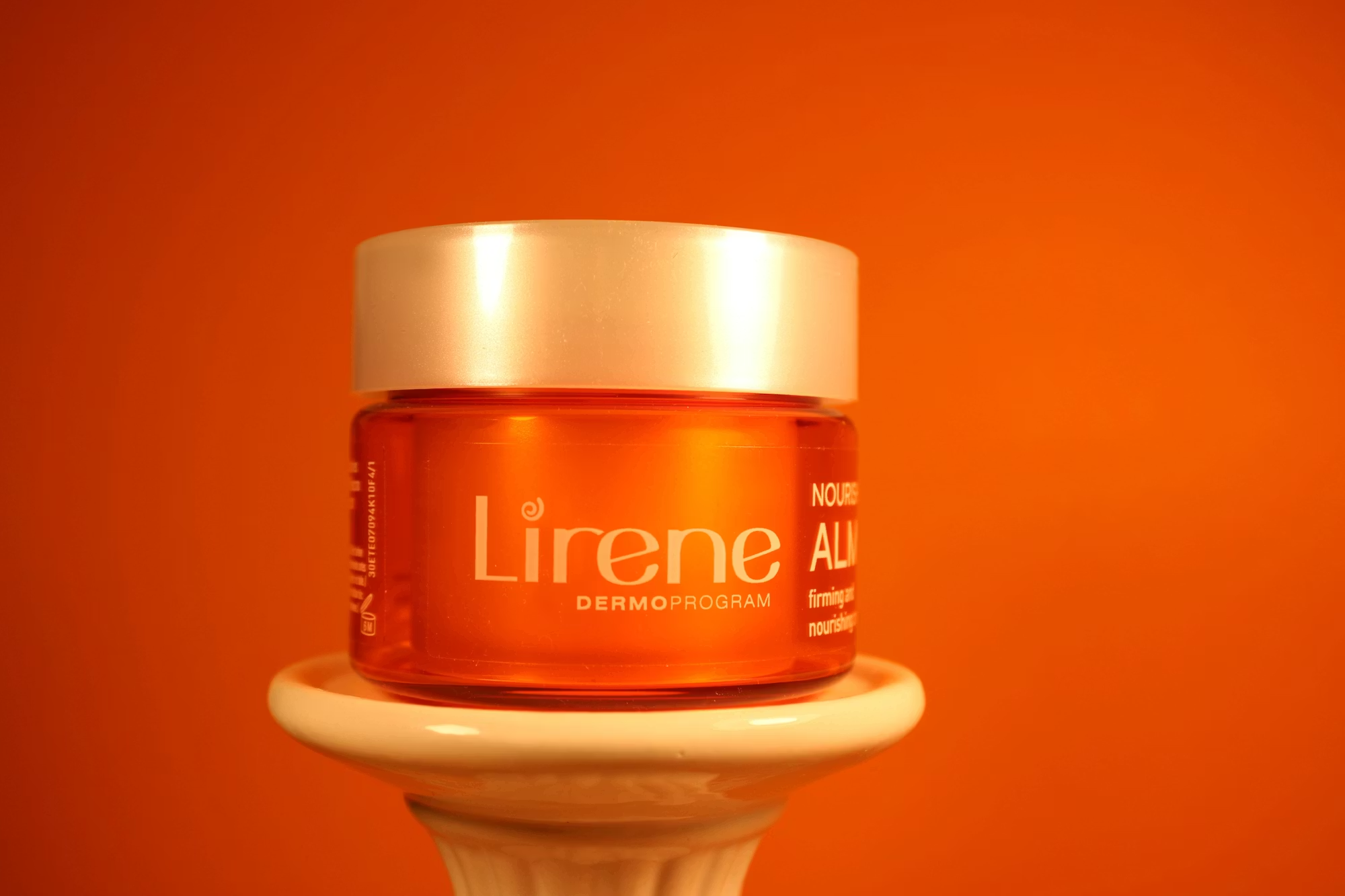
In recent years, the organic skincare movement has gained significant traction as consumers become more aware of the ingredients in their beauty products. With a focus on natural, plant-based components, organic skincare offers a holistic approach to skin health that not only nourishes the skin but also aligns with ethical and environmental values. This article explores the benefits of organic skincare, how to incorporate it into your routine, and the positive impact it can have on both your skin and the planet.
The Rise of Organic Skincare
The growing demand for organic skincare reflects a shift in consumer preferences toward products that are free from synthetic chemicals, artificial fragrances, and harmful additives. People are increasingly looking for transparency in the beauty industry, wanting to know exactly what they are putting on their skin. This shift is fueled by a desire for safer alternatives that deliver effective results without compromising health or the environment.
Organic skincare products are formulated with ingredients sourced from nature, emphasizing botanical extracts, essential oils, and plant oils. These ingredients are often rich in vitamins, antioxidants, and fatty acids, providing a wealth of benefits for the skin. Furthermore, organic farming practices promote biodiversity and reduce the use of pesticides and synthetic fertilizers, making them a more sustainable choice.
Benefits of Organic Skincare
1. Gentle on the Skin: Organic products are less likely to contain harsh chemicals that can irritate or disrupt the skin’s natural barrier. Many people with sensitive skin find that organic formulations are more soothing and effective in addressing their concerns.
2. Rich in Nutrients: The natural ingredients found in organic skincare are often packed with nutrients that benefit the skin. Ingredients like aloe vera, shea butter, and coconut oil provide hydration, while antioxidants from fruits and herbs help combat free radicals and promote a youthful appearance.
3. Eco-Friendly: Organic skincare aligns with sustainable practices that prioritize environmental health. By choosing products made with organic ingredients, consumers support farming methods that are better for the planet, including soil health and water conservation.
4. Cruelty-Free: Many organic skincare brands are committed to ethical practices, often ensuring their products are cruelty-free. This commitment aligns with a growing consumer demand for ethical beauty options that do not harm animals.
5. Holistic Approach: Organic skincare promotes a holistic philosophy that recognizes the connection between overall health and skin health. By prioritizing natural ingredients, consumers are encouraged to consider their lifestyle choices and how they impact their skin and well-being.
Incorporating Organic Skincare into Your Routine
Transitioning to organic skincare can be an enriching experience. Here are some practical tips for integrating organic products into your daily routine:
1. Start with Cleansing: A gentle, organic cleanser is the foundation of any skincare routine. Look for products with natural ingredients like chamomile or green tea that cleanse without stripping the skin of moisture.
2. Moisturize Naturally: Choose an organic moisturizer that suits your skin type. Ingredients like jojoba oil and rosehip oil are excellent for hydration and nourishment. They provide essential fatty acids that support skin health without clogging pores.
3. Exfoliate with Care: Regular exfoliation is key to maintaining healthy skin, but it’s important to choose gentle, organic exfoliants. Look for products with natural scrubs like sugar or ground oats that effectively remove dead skin cells without causing irritation.
4. Embrace Serums and Oils: Incorporate organic serums and facial oils into your routine for targeted treatments. These products can address specific skin concerns, such as dryness or uneven tone, with concentrated doses of active ingredients.
5. Sun Protection: Don’t forget sun protection, even with organic products. Look for mineral-based sunscreens that use ingredients like zinc oxide to protect your skin from harmful UV rays while remaining safe for the environment.
The Power of DIY Organic Skincare
Creating your own organic skincare products at home can be both fun and rewarding. Not only does this allow for complete control over the ingredients, but it also offers a way to customize formulations based on personal preferences and skin needs. Here are some simple DIY recipes to try:
1. Hydrating Face Mask: Mix mashed avocado with honey for a nourishing face mask. Avocado provides healthy fats and vitamins, while honey is a natural humectant that locks in moisture. Apply the mask for 15-20 minutes and rinse with warm water.
2. Gentle Exfoliating Scrub: Combine sugar with coconut oil for a simple, effective exfoliating scrub. This blend will gently remove dead skin cells while hydrating the skin. Use it once a week for a smooth, radiant complexion.
3. Soothing Facial Mist: Create a refreshing facial mist by combining distilled water with a few drops of essential oils like lavender or rose. This mist can hydrate and soothe the skin throughout the day.
Sustainable Practices in Organic Skincare
As the organic skincare movement grows, many brands are adopting sustainable practices to reduce their environmental impact further. Here are some trends to look for:
1. Eco-Friendly Packaging: Many organic brands prioritize sustainable packaging, using recyclable or biodegradable materials. This practice reduces waste and aligns with the values of eco-conscious consumers.
2. Transparency in Sourcing: Look for brands that disclose where their ingredients come from and how they are sourced. Transparency builds trust and helps consumers make informed choices about the products they use.
3. Supporting Local Communities: Some organic skincare brands work directly with farmers and local communities to source their ingredients. This approach not only ensures high-quality products but also supports fair trade practices and economic development.
The Future of Organic Skincare
As the demand for organic skincare continues to rise, we can expect further innovations in formulations and practices. The beauty industry is increasingly recognizing the importance of sustainability and ethical sourcing, leading to the development of more effective, eco-friendly products.
In addition, consumer education will play a vital role in shaping the future of organic skincare. As people become more informed about the benefits of natural ingredients and sustainable practices, they will continue to demand transparency and responsibility from brands.
Conclusion: A Commitment to Health and Sustainability
The journey into organic skincare is not just about achieving radiant skin; it’s a commitment to health and sustainability. By choosing organic products and adopting mindful practices, we can enhance our beauty routines while contributing to a healthier planet. Embracing this holistic approach allows us to celebrate our individuality and nourish our skin with nature’s best offerings. As we move forward, let us prioritize the well-being of our skin and the environment, ensuring that beauty is both sustainable and ethical.